I've got the back panel off the air purifier and the HEPA cartridge halfway out when Murph sneezes straight into the lamp light, and for a second the whole beam turns into a slow-motion blizzard of husky fluff. That's the actual test of whether an air purifier for large rooms with dogs is doing anything in a drafty 1920s craftsman like ours — not the spec sheet, not the app screenshot, just whether the cloud thins out once the thing's been running a while.
Quick heads-up before the questions start: some of the links below for these purifiers and robot vacuums are affiliate links, and I earn a commission at no extra cost to you if you buy through one. Everything here comes from my own house: dust, dog hair, and all the dead-end attempts included.
The Dust Problem Isn't Just the Dogs
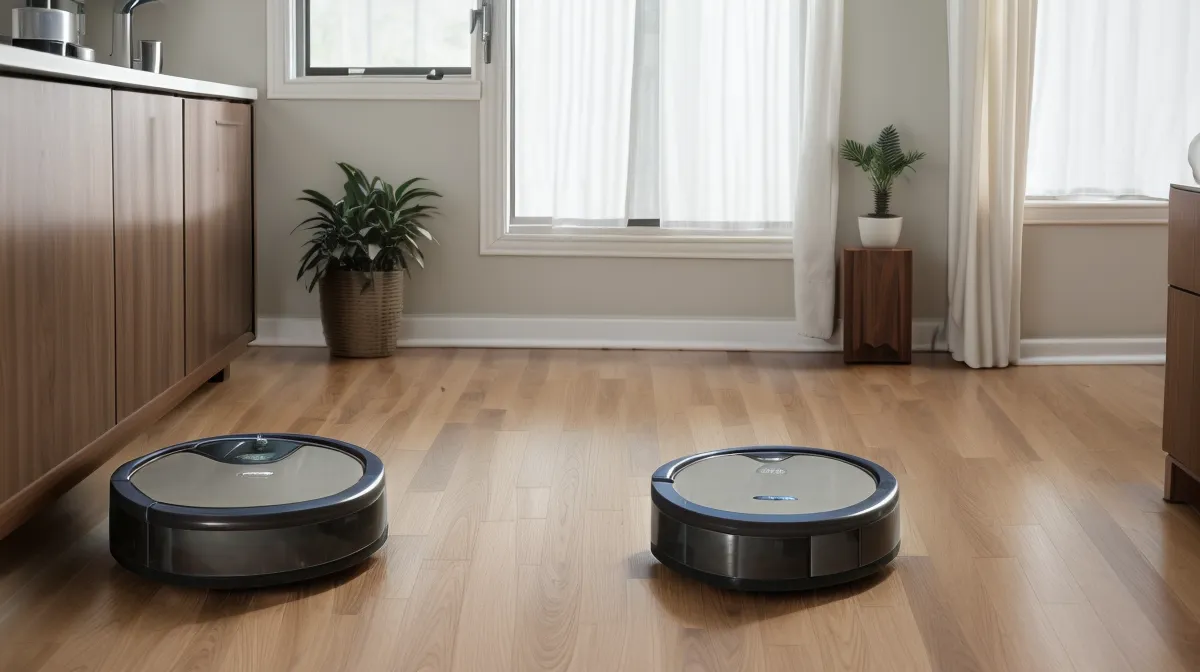
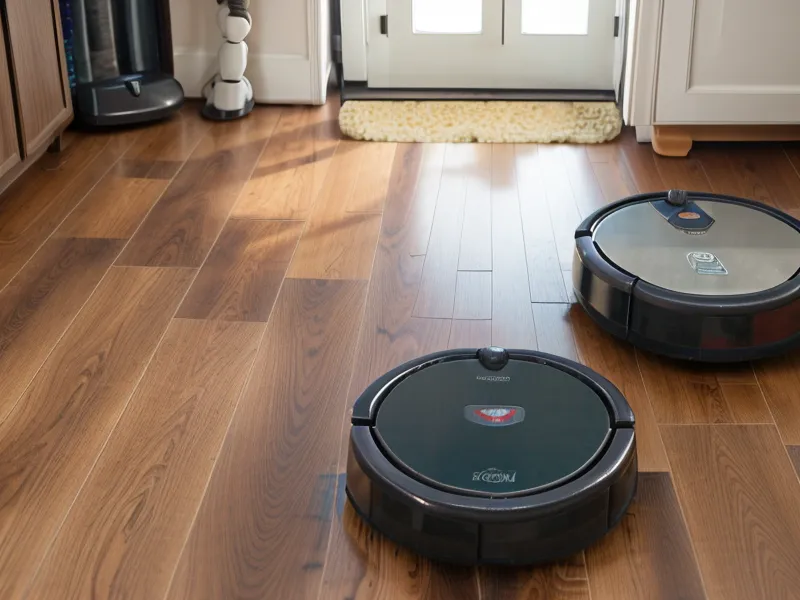
Readers ask me constantly whether this is really a dog thing or a house thing, so let's settle it first. My LG CordZero Robot already handles the floor side of the equation — that's what feeds the dustbin tally, the running log I've kept ever since our first Roomba died on the basement steps and needed replacing. The air is a separate fight entirely. Lath-and-plaster construction in a house this old sheds its own fine particulate matter as the walls age, and that settles into the same air as the husky undercoat and the beagle dander. A robot vacuum, no matter how good, can only clean what's already landed.
Before the purifier entered the rotation, my plan was just to out-run the shedding with the vacuum — running the LG twice a day to try to keep pace with Murph. It didn't work. The brush roll gave out around six weeks into that schedule and needed replacing. The living room still had that grey haze hanging in the air by late afternoon regardless. The floor and the air turned out to be two different problems that needed two different machines.
Does HEPA 14 Actually Matter for a Two-Dog House?
Yes, enough that I swapped our old basic units out for the PuroAir HEPA 14 Air Purifier. The filtration grade is a step up from the HEPA 13 you'll find on most shelf units, and in a house with a husky mix who can shed enough to felt a small sweater in a week, that extra margin on the smallest particles is the whole reason to care. The HEPA rating system is worth a skim if you've never looked at it, but I've already broken down the exact numbers and what they mean for dog dander specifically in a separate teardown, so I'm not re-running the full spec sheet here.
What I can tell you from living with it: Sam used to notice fresh husky fluff collecting along the hallway runner every couple of days, the kind of thing you spot before you've had coffee. Sam's take once the PuroAir had been running steady: "I can go a lot longer before that runner needs a shake-out." If you want the fuller comparison of how I split air cleaning from floor cleaning, I log that separately in The Great Dog Hair War: My Tracking Notes on Three High-End Robot Vacuums and a HEPA 14 Hero.
Setting Up a Purifier in a House Full of Plaster and Old Wiring
Old walls make smart-home setup a gamble every time. The PuroAir needs a standard 2.4GHz connection, which is normal for this category of device but gets annoying fast if your router wants to push everything onto 5GHz by default. The X-Sense Smart Smoke and CO Detector gave me the identical fight — same insistence on the lower frequency to get a signal through the bungalow's walls.
The PuroAir app itself is fine, nothing more — it's the smart-home equivalent of a mid-tier retail checkout: a little clunky, a little dated, but it gets you where you're going. It's nowhere near the learning curve of the Roborock S8 Pro Ultra app, which is closer to a professional CAD program, but at least it isn't nagging me toward a subscription every time I open it. My real complaint is the lack of actual scheduling — you get a countdown timer and nothing smarter. If I want it to ramp up while we're looping the dog trail at Broad Ripple Park and then drop back down before a Zoom call, I'm doing that by hand, every single time.
How Loud Is It, and Will It Wake Anyone Up?
Our bungalow runs quiet enough that you can hear a dog sneeze three rooms over, so noise floor is a metric I actually track. I ran the PuroAir's sleep mode past the iPhone NIOSH SLM app expecting to have to talk you into a mediocre number, and it read 28 decibels from about three feet away — low enough that Beans doesn't lift his head off the orthopedic bed for it. The full decibel-by-setting breakdown lives in a separate post if that's the detail you actually need; the short version here is that it's bedroom-safe.
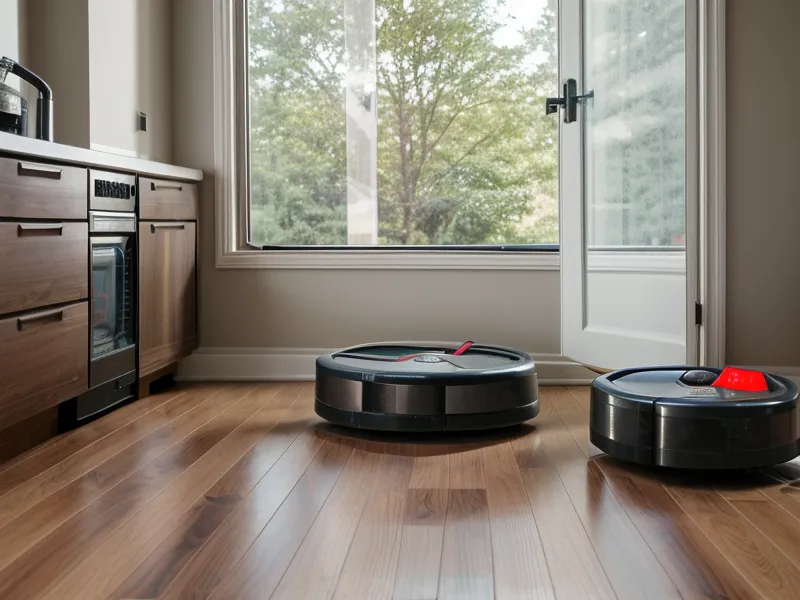
On its highest setting it sounds like a small jet, which is the trade-off for actually moving enough air through a large craftsman living room. I usually bump it to high for an hour after a run with the Roomba j7+, since kicking up the floor dust with a vacuum run undoes some of what the purifier just did. The j7+ earns its keep mostly by steering clear of whatever Beans leaves behind on the hall floor, which is its own story. If you want the dustbin-by-dustbin comparison of how that vacuum and its rivals actually handle a two-dog house, that's in The Great Shed-Off: My Tracking Notes on Which Self-Emptying Robot Actually Survives a Two-Dog House.
The Clearest Proof It's Working
The dustbin tally is still how I check my own work. Most mornings I weigh out whatever the LG picked up overnight, out of habit more than anything, and some mornings the number on the kitchen scale comes in lower than it did a few days earlier — nine grams instead of whatever it read that previous Tuesday, with nothing else in the routine different. Less debris reaching the floor in the first place is the only honest explanation for that. The other proof is uglier: the first time you crack open the back of the PuroAir and look at the filter, it's not white anymore. Mine came out a solid grey felt, layered with fine house silt under a weave of husky undercoat and a peppering of short beagle hair. Replacement filters for this one are proprietary, which I'll get into properly in a separate cost breakdown, and the smell difference alone — less of that underlying dog-house mustiness — is worth a mention even though I'm not treating it as the main selling point here.
This Purifier Isn't for Every House
If you want a piece of smart-home sculpture that plugs cleanly into a bigger automation system, the PuroAir HEPA 14 will probably annoy you — the app is basic and the housing is all plastic. It's also not strictly a dog-owner problem. A friend of mine who spends his weekends restoring vintage motorcycles in his garage gets the same grey film over everything from brake dust and old gasket material, no pets involved. Where you put the unit matters more than people expect in a room this size — that's a whole separate guide on its own — but the short version is: give it open floor space, not a corner behind furniture, if you want it actually clearing a large room instead of just the air directly around itself.
For an older house with two shedding dogs and that specific scratchy, dry feeling I used to blame on the building's age, this is the unit I'd point a friend toward. It prioritizes the filtration grade over the feature list, it's quiet enough to leave running through the night, and it's the first thing that's actually put a dent in that moonlight dust-cloud effect we used to get in the living room. Check the current price on the vendor's page before you commit, since it shifts around — but for a house like ours, it's held up.