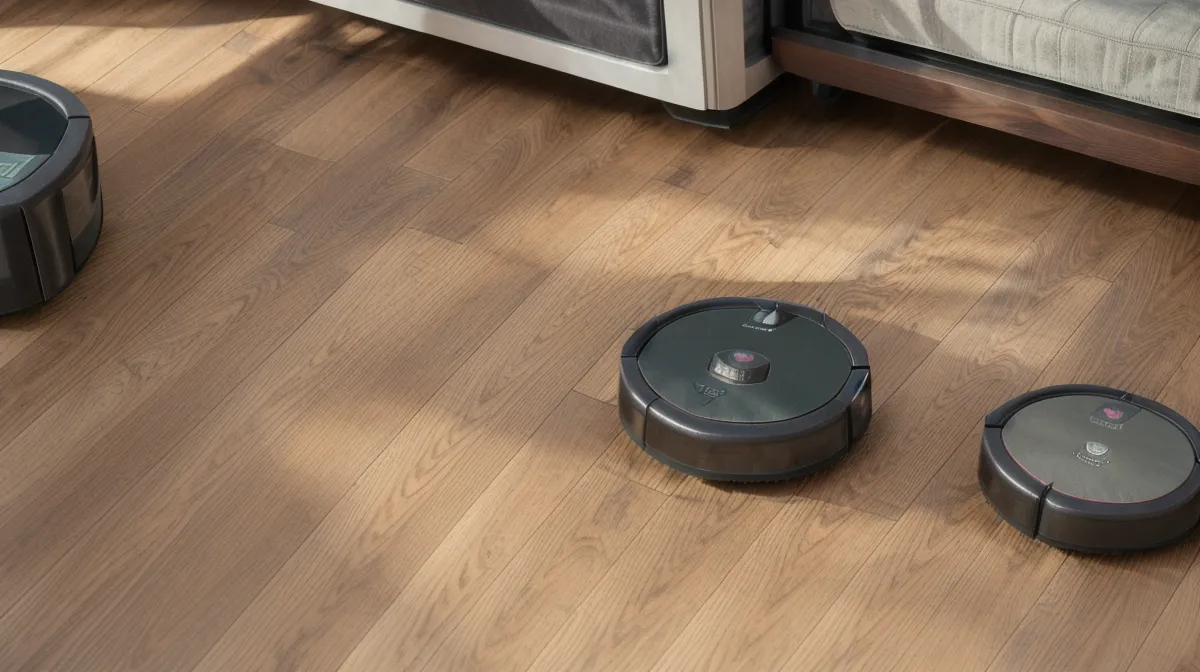
One humid late afternoon, walking through the front door after a brief rain shower, the familiar dense musk of damp dog dander hanging in our front living room was finally too much to ignore.
Quick transparency note before we get into the weeds: the home gear links you see here earn me a commission if you click through and buy something, at no extra cost to you. I test everything right here on our floors and side tables in Indianapolis—dustbin tallies, scale weights, and pet smells included—and I only point to what actually survives living with two shedding rescues.
Between Murph (our husky mix) blowing his coat and Beans (our senior beagle) simply existing as an oily, hound-scented little loaf, our 1920s craftsman bungalow had reached saturation point. Daily robot-vacuum runs kept the tumbleweeds of dog hair off the hardwood floors, but the room still carried that unmistakable heavy, stale pet tang. Floor sweeps fix what falls; they do nothing for what floats.
The Floor-Clean Illusion and Floating Pet Dander
I spent months obsessing over kitchen-scale dustbin tallies, convinced that if I could just pull thirty grams of dry hair off the living room runner every afternoon, the house would magically smell like cedar and clean air. It didn't. Vacuums take care of the heavy fur, but dander—the microscopic flakes of dead skin that carry pet odor—ranges between 0.5 and 2.5 microns. Because it is so light, it stays suspended in still indoor air for hours every time Beans scratches behind his ears or Murph shakes after a nap.
Every time our vacuum ran, its exhaust inevitably blew those micro-particles right back into circulation. What we needed wasn't another floor pass; it was something that could actively scrub the breathing zone without sounding like an airport runway.
Unboxing the PuroAir HEPA 14 in Mid-June
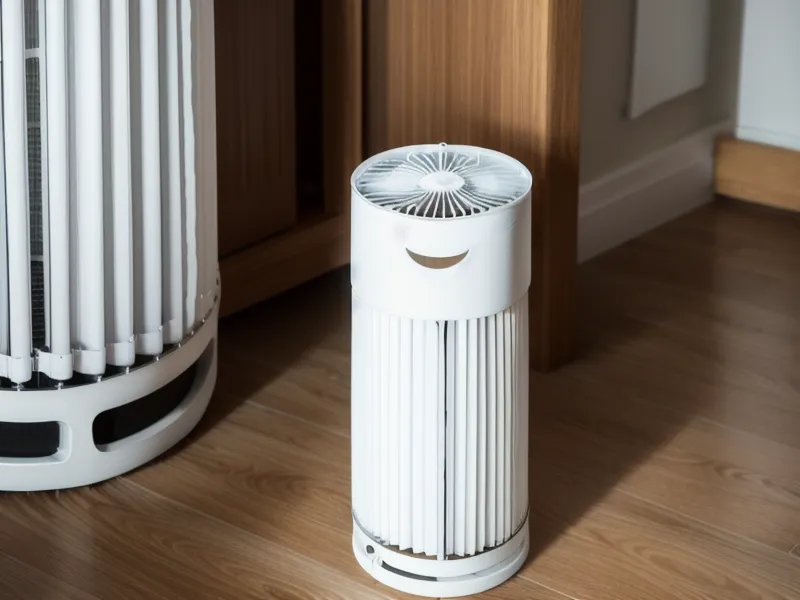
Around mid-June, I brought the PuroAir HEPA 14 Air Purifier into the living room. Most consumer purifiers tap out at True HEPA (H13), but this unit uses an H14 filter. Under the European EN 1822 standard, HEPA 14 filters must retain at least 99.99% of particles at the Most Penetrating Particle Size of 0.1 to 0.2 microns. If you want to dive deeper into how this specific rating holds up against chronic allergen buildup, I tracked similar metrics in our look at the PuroAir HEPA 14 for Pet Allergies and Managing Senior Dog Dander.
The unit itself is straightforward. The outer plastic finish feels slightly utilitarian next to our other smart gear, but the UX is blessedly simple. There is no onboarding flow requiring you to register your home address just to spin a motor. The touch panel sits on top, and it tells you the particulate level with a simple color-coded ring.
Noise was my immediate concern. Our bungalow has uninsulated plaster walls and echoing oak trim. Running the iPhone NIOSH Sound Level Meter app at three feet distance, Sleep mode registered at 28 dB—a soft, low-frequency hum that Beans completely ignored while sleeping two feet away. On low and medium, it blends effortlessly into background conversation. High mode has an aggressive whoosh, but we rarely needed it outside of active shedding fits.
The High-Shedding Bottleneck: Small Spaces and Bad Placement
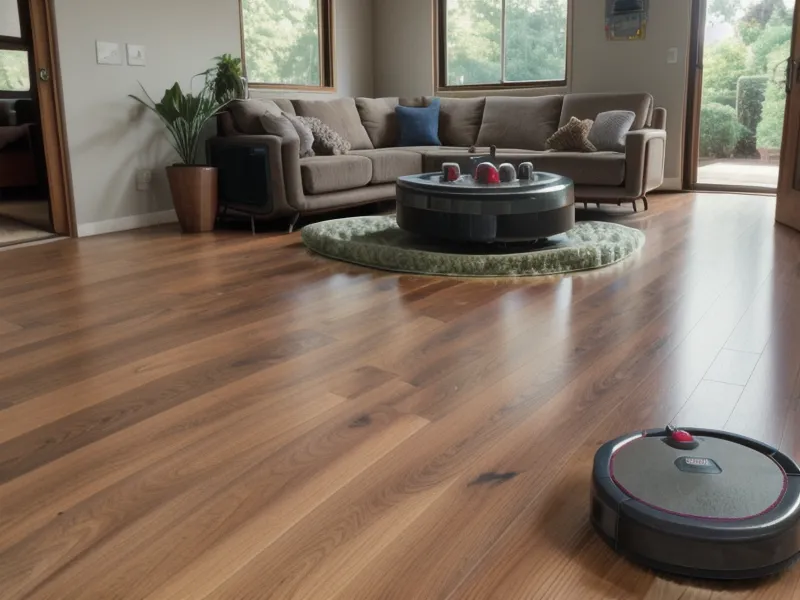
Most placement manuals give generic advice: stick the purifier in an open corner. If you have ever lived with high-shedding dogs in tight quarters—like friends of mine trying to manage a husky in an 800-square-foot downtown layout—you know that standard placement advice completely breaks down.
In limited floor space, purifiers get shoved into corners or wedged directly behind dog beds to keep them out of foot traffic. After about three weeks of running the PuroAir, I hit our first real user error. Murph and Beans decided to wrestle over a tennis ball, kicking a heavy floor cushion directly against the PuroAir's side intake. I kept waiting for the automatic sensor to ramp up fan speed during the frenzy, only to realize the intake was choked off. Trapping a purifier behind dog bedding strangles airflow before the dander can ever reach the filter pleats. If you are struggling with where to position a unit without ruining room flow, check out our breakdown on Where to Put an Air Purifier for the Best Indoor Air Quality.
What Happened After One Humid Afternoon in August
The real verdict came on one humid afternoon in August. Central Indiana humidity was hovering near eighty percent outside, and anyone with a beagle knows what wet hound coat smells like in a closed room. Sam walked through the front door after work, dropped their keys on the credenza, paused, and asked: “Did you give both dogs a bath while I was out?”
I hadn't. The dogs had been lounging on the sofa all afternoon. That was the moment I realized the baseline odor of our main room had fundamentally shifted. By mid-September, when I finally popped the back panel open for a routine inspection, the physical evidence was unmistakable. Peeling back the outer mesh revealed a felt-like pelt of gray undercoat and fine chalky dander clinging tightly to the pleats—material that would have otherwise ended up in our lungs or embedded in the curtains.
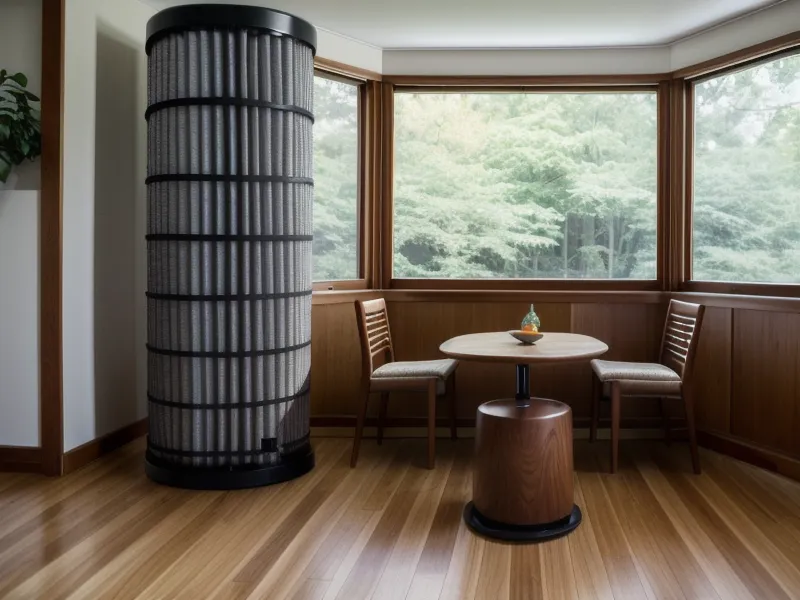
While the PuroAir tackled the air, our floors were still seeing plenty of dry tumbleweeds. We eventually paired the room with an LG CordZero Robot to keep the baseboards clear without human intervention, creating a two-layer defense system that actually held up.
The Five-Month Reality Check
By early October, as the furnace kicked on for the first chilly mornings, the PuroAir had been running continuously for nearly five months. It is not an appliance that erases the reality of living with animals—you still have to empty vacuum dustbins, wash the sofa slipcovers, and wipe down muddy paws. But pairing an automated floor cleaner with a true HEPA 14 purifier finally broke that stubborn cycle of stale, recirculated pet musk.
The purifier's companion app is fairly minimal—mostly a basic timer rather than a sophisticated scheduling dashboard—and filter prices can fluctuate on the vendor page depending on current promotions. But in terms of pure filtration density and whisper-quiet night runs, it did exactly what our hardwood floors couldn't do alone. For a deeper breakdown of our ongoing tallies, see our notes on Testing the PuroAir HEPA 14 Air Purifier for Persistent Dog Dander (2026 Update).
If your home carries that lingering, humid pet odor no matter how many times the robot sweeps the rugs, checking out the PuroAir HEPA 14 Air Purifier might be the missing piece of your cleaning workflow.