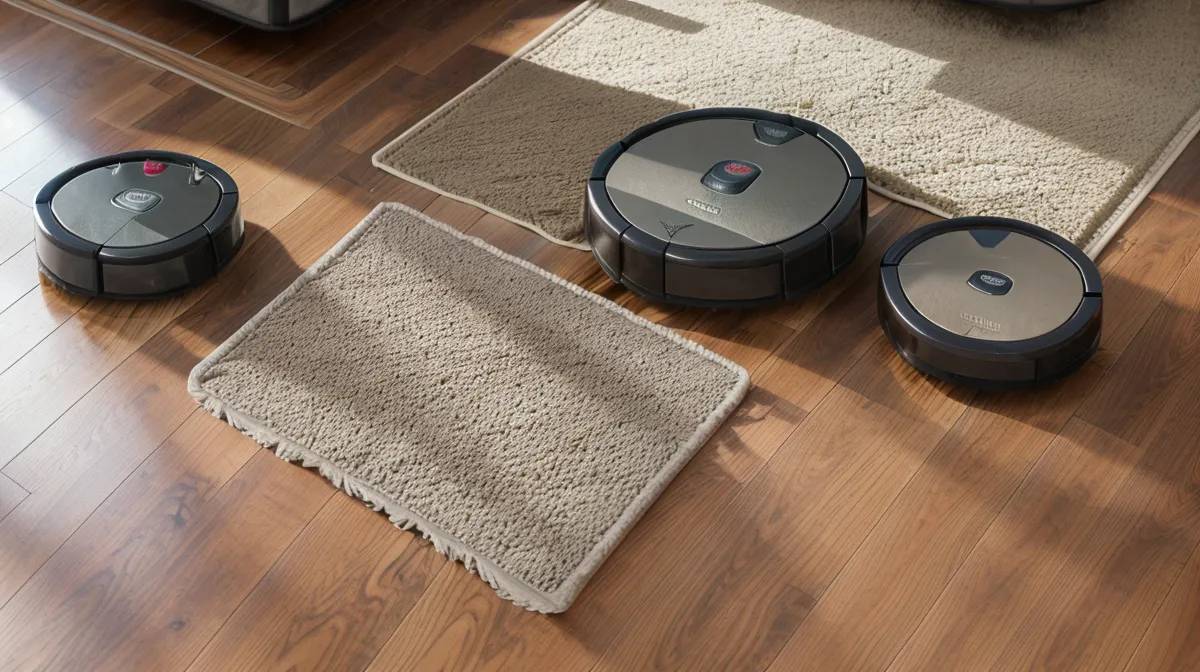
It was late one Tuesday night, well after the dogs should have been asleep, when I found myself performing an emergency extraction in the middle of the living room. I didn’t even need to turn on the lights to know what happened; the smell gave it away first. It was that specific, sharp smell of friction-heated rubber, the telltale sign of a vacuum belt losing its life-or-death struggle against a neon-orange rubber chicken. Murph, my husky mix, was watching me with a look of mild judgment from the rug, while Beans, our senior beagle, just snored through the entire crisis. The vacuum was flashing a cryptic red light, its brush roll completely paralyzed by a toy it should have seen coming from a mile away.
The Tumbleweed Problem in a 1920s Bungalow
Living in a 1920s bungalow in suburban Indianapolis means dealing with a lot of character—and a lot of dust. We have original hardwoods that look beautiful until the sunlight hits them at just the right angle, revealing the 'husky glitter' that Murph sheds in quantities that defy the laws of physics. Add in a senior beagle who leaves a trail of dander wherever he wanders, and you have a recipe for what Sam calls the 'perpetual tumbleweed season.' Since I started my dustbin tally in March 2024, I’ve been obsessed with finding a system that actually works without requiring me to babysit a robot every twenty minutes.
Most people, including a few friends who’ve messaged me on Slack lately, think the solution to pet hair is raw power. They look at the Pascal (Pa) ratings on the box and assume a higher number means a cleaner floor. But after testing a string of these bots—mostly funded by returns and refurb deals—I’ve realized that high suction is often just a marketing distraction. It doesn’t matter if your vacuum can pull a bowling ball through a straw if it spends forty minutes of every hour crying for help because it got tangled in a rug fringe or choked on a dog chew. The UX of these machines is fundamentally broken if the 'user journey' involves me crawling under the sectional to rescue the bot for the third time in a single run.
The Suction Trap: Why Pascals Are Marketing Noise
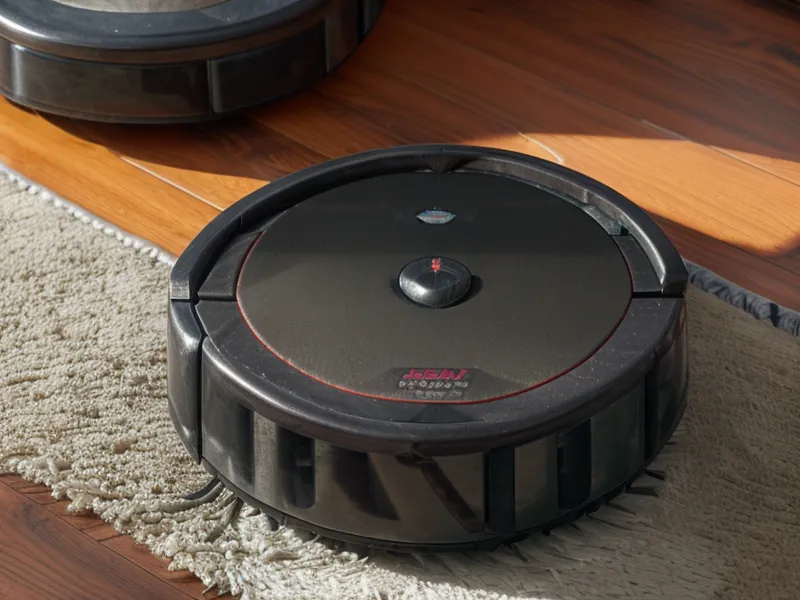
When I’m looking at product specs, I see a lot of '8,000Pa' or '10,000Pa' claims. In my experience, these numbers are the 'megapixels' of the vacuum world—a single, easily digestible metric that hides a lack of actual innovation. Last November, I was testing a high-suction model that promised to deep-clean carpets better than anything else on the market. On paper, it was a beast. In reality, it was a bull in a china shop. It had the power to lift the hair, but it lacked the brains to avoid the obstacles that caused it to stall out before it even finished the first room.
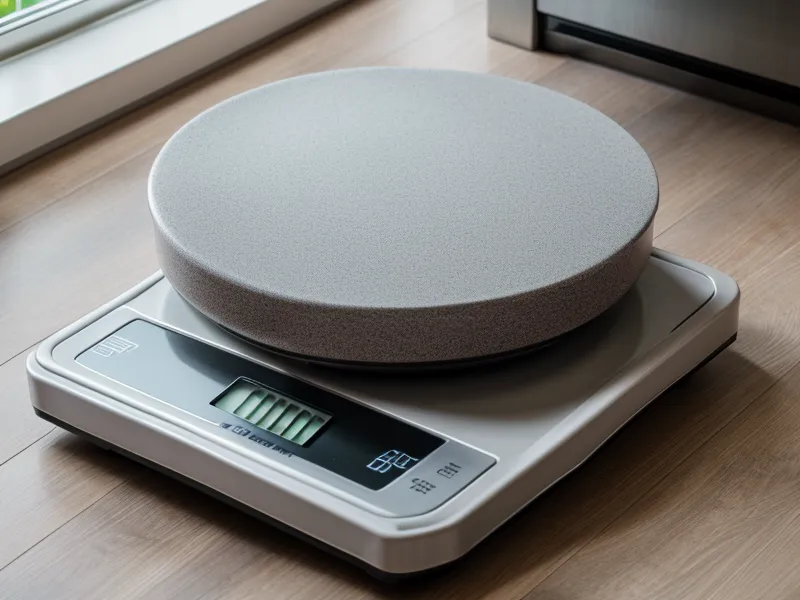
I started keeping a running tally on my kitchen scale, weighing the output of every run. I'm standing here with a kitchen scale weighing dustbins like a madwoman because the app's 'bin full' sensor lied to me again. The notification on my phone would say the bin was at 100% capacity, but the scale would reveal it was barely half-full of fluff, triggered prematurely because the bot's internal airflow was blocked by a stray sock. This is a classic system failure: the bot has the motor power, but the sensors can't distinguish between a full bin and a bad navigation choice. For pet owners, the real bottleneck isn't suction; it's the brush roll design and the sensor array.
I’ve noticed that brush rolls with rubber fins are generally more resistant to hair wrap than traditional bristle brushes. Bristles are great for agitation, but with two rescue dogs, they become a tangled mess in about three days. The rubber fins, however, tend to flick the hair into the suction path rather than letting it wind around the core. This is the kind of detail you don't find on the spec sheet, but you definitely notice when you're not spending your Sunday morning with a pair of seam rippers, cutting Murph's fur out of a plastic cylinder.
The Experiment: Suction vs. Avoidance Logs
Early last April, right as the spring shed was hitting its peak, I decided to run a head-to-head comparison in my spreadsheet. On one side, I had the 'Powerhouse'—a bot with massive suction but basic bumpers. On the other, I had the 'Navigator'—a bot with lower suction but a sophisticated camera and LiDAR setup. I tracked everything: how many times they got stuck, how much hair they actually collected per week, and how many times I had to manually restart them.
After about six weeks of daily runs, the data was embarrassing for the Powerhouse. While it could technically pull more dirt out of a rug in a controlled test, it only finished its scheduled run about 40% of the time. The other 60% of the time, I’d get a notification on my watch while I was in a deep-focus writing session, telling me it was stuck under the dining room chairs or had eaten a rogue charger cable. Because it kept failing, the total hair it collected over a week was significantly lower than the Navigator, which finished 95% of its runs without intervention.
The Navigator relied on a 2.4 GHz Wi-Fi connection that, while standard, was occasionally finicky in the back of the bungalow. But even with the occasional app lag, its ability to see a dog toy and move around it changed the entire experience. It didn't matter that its suction rating was lower on the box; because it never stopped moving, it actually cleaned more surface area. I’ve been keeping these tracking notes on which self-emptying robot actually survives a two-dog house for a while now, and the results consistently show that the 'smartest' bot beats the 'strongest' bot every time.
When the Sensors Save the Day (or Don't)
The real turning point for me was one rainy afternoon last June. The dogs had tracked in a fair amount of Indianapolis mud, and the bungalow was looking particularly lived-in. I watched the Navigator approach a pile of shoes near the door. Instead of ramming into them like the older models used to do, it slowed down, mapped the perimeter of the shoes, and danced around them with the precision of a UX designer micro-adjusting a button's padding. It was a beautiful thing to witness.
However, no system is perfect. LiDAR sensors use laser pulses to map rooms but can be confused by floor-to-ceiling mirrors, which we have in the hallway. The bot would occasionally see a 'ghost room' in the mirror and try to navigate into a wall. This is where the app UX usually falls apart. Most companion apps treat the buyer like a captive, forcing you through onboarding flows that feel like a Sephora checkout line. If the app makes it impossible to set a 'no-go zone' for a mirror, the best sensors in the world won't save you from a bot that constantly tries to enter the mirror dimension.
Sam usually just rolls his eyes when he sees me with the spreadsheet, but even he’s admitted that the house feels cleaner since I stopped prioritizing motor specs. He noticed that the air felt fresher, too, likely because the Navigator utilized a proper filter system. Most decent bots now feature HEPA filtration, which is rated for 99.97% efficiency at trapping particles as small as 0.3 microns. In a house with a husky and a beagle, that filter is doing a lot of heavy lifting that the suction motor usually gets all the credit for.
Final Thoughts from the Bungalow Floor
If you’re currently looking at a vacuum and the salesperson (or the Amazon listing) is shouting about 'Extreme Suction,' take a breath and look at the sensor array instead. Look for cameras, look for structured light sensors, and look for LiDAR turrets. These are the things that actually determine if your vacuum will be a helpful tool or a high-maintenance pet of its own. I mentioned this in the unofficial husky-owner guide to not killing your fourth robot vacuum, but it bears repeating: the hardware is only half the battle. If the navigation fails, the suction is irrelevant.
My advice? Stop chasing the Pascal dragon. Focus on the bot that can handle your specific 'edge cases'—whether that's an IKEA rug with fringe that eats wheels or a senior beagle who leaves toys in the middle of the hallway. At the end of the day, the best robot vacuum is the one you forget is even running, not the one that forces you to perform surgery on its brush roll at 11 PM while your dogs look on in silent judgment. Keep the kitchen scale for baking, not for weighing the failures of your smart home, and invest in a bot that actually knows how to find its way home.