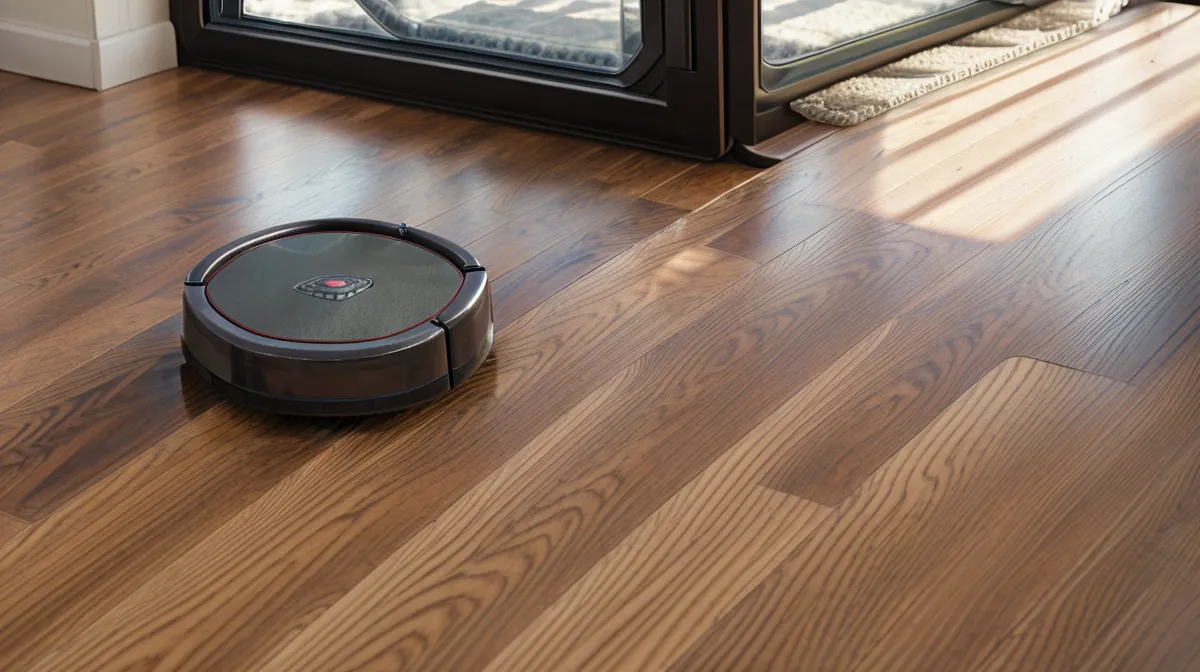
Late one evening while sorting laundry in the hallway, I noticed the living room was quiet instead of echoing with a low-battery distress chirp from under the sectional. If you own an older home and two shedding dogs, you know that silence usually means the robot died quietly inside a closet or choked on a rug fringe twenty minutes ago.
Quick transparency before we dig into the numbers: I bought or tested every machine in my spreadsheet myself, and the robot vacuum brands I link to here send me a commission if you click through and buy something, at no extra cost to you. The dustbin tally comes from my own kitchen scale on our dining table, and I only recommend the gear that didn't drive Sam and me completely insane.
The Craftsman Floor Plan and the Nervous Dog Problem
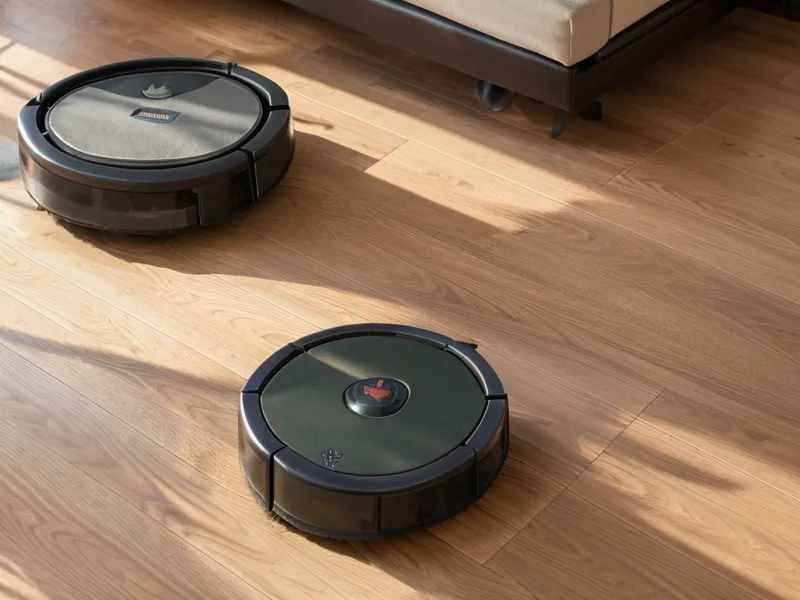
We live in a 1920s craftsman bungalow in suburban Indianapolis with our two rescues: Murph, who is half husky and half shedding machine, and Beans, an elderly beagle whose primary hobby is sleeping on drafty floorboards. Most tech reviews treat pet hair as a simple volume challenge—how many grams of fluff can fit in an acrylic cup before the motor whines? But when you live with animals that carry baseline anxiety, the standard review playbook falls apart completely.
Beans is terrified of sudden mechanical pitch shifts. Whenever our previous cleaning bots hit their highest gear or started spinning their side brushes violently against baseboards, Beans would scramble off his dog bed, skitter across the hallway, and wedge himself behind the bathroom toilet. If a robot vacuum cleans your floors spotless but forces an arthritic senior dog into a panicked trembling fit twice an afternoon, it is a failed product. Standard buying advice ignores this dynamic entirely, obsessing over raw Pascal ratings while ignoring acoustic resonance and erratic pathing that terrorizes skittish pets.
When I brought the LG CordZero Robot into the house in late winter, my tracking notes were focused as much on the dogs' body language as on floor cleanliness. We have raised, uneven oak thresholds between the rooms that have trapped half the vacuums on the market. In my running spreadsheet—which I started after an old cleaning bot met its doom tumbling off our unfinished basement steps—I track whether a bot can clean our dense bedroom area rug, survive the thresholds, and keep the noise profile low enough that Beans doesn't evacuate the room.
Three Suction Stages Across Hardwood and High Pile
The hardware specifications list 3 suction stages on the CordZero. In UX terms, giving users three clear mechanical states instead of six ambiguous micro-modes (like the slider mess on some DTC companion apps) is good design. On bare hardwood, the lowest stage maintains a muted, low-frequency hum that my iPhone NIOSH sound level app registered at an unobtrusive hum, letting Beans sleep undisturbed four feet away.
Transitions between surface textures are where most vacuums botch their motor control. When the LG rolls from our bare white oak floorboards onto the thick, woven bedroom rug, the drive motors ramp up without that shrill, jet-engine whine that triggers pet anxiety. "Look at that," Sam said, pausing the TV one evening just to watch the drive wheels cleanly clamber over our warped bungalow floor transition without getting high-centered. Previous bots would spin their wheels helplessly until their tires left black rubber scuffs on the wood, pinging my phone with a vague error alert.
We tested it through mid-summer shedding season, when Murph blows his undercoat and creates tumbleweeds that collect in the drafty corridor corners. Most residential robot vacuum lidar sensor turrets add between 0.75 and 1.5 inches of vertical clearance requirement to the chassis profile, which often determines whether a bot wedges itself under a vintage couch or cleans beneath it. The CordZero's lower profile allowed it to slide beneath our sofa skirt without tearing the fabric or sending out an SOS beep midway through its run.
The Emptying Station and the Roller Bearing Reality
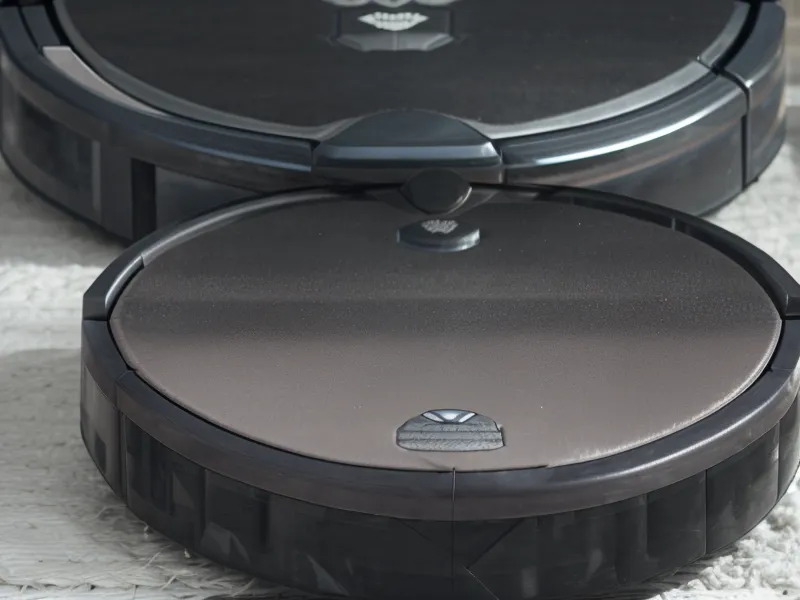
After about three weeks of daily runs, the auto-empty tower proved itself against the husky fur blizzard. With past vacuums, the self-empty cycle frequently choked because husky undercoat binds together into an impenetrable felt plug that jams the intake tube. If you've read my notes on living with multiple robot vacuums in a shedding household, you know how few docks survive that challenge.
With the CordZero's tower, watching the cycle finish is oddly satisfying. A dense, felted cylinder of husky undercoat and gray dust sliding cleanly into the tower bin without releasing a visible puff of dander is the exact mechanical competence you hope for when spending good money. The tower utilizes an internal filtration system designed to align with standard HEPA protocols, which capture particles down to 0.3 microns so the dander doesn't blow straight back into your hallway air.
However, no robot vacuum is entirely maintenance-free, despite what glossy product landing pages claim. One chilly morning last month, the app notified me of a brush stall. Sure enough, I found myself sitting cross-legged on the rug prying wrapped human hair from the roller bearing with kitchen scissors after assuming rubber fins were completely tangle-proof. The rubber fins shed husky hair effortlessly, but long human hair still migrates into the spindle axel and requires a monthly surgical session. If you want a deep dive on why no roller escapes this physics problem, check out what a year of husky shedding taught me about brush rolls.
App UX: An Actual Relief from Onboarding Hell
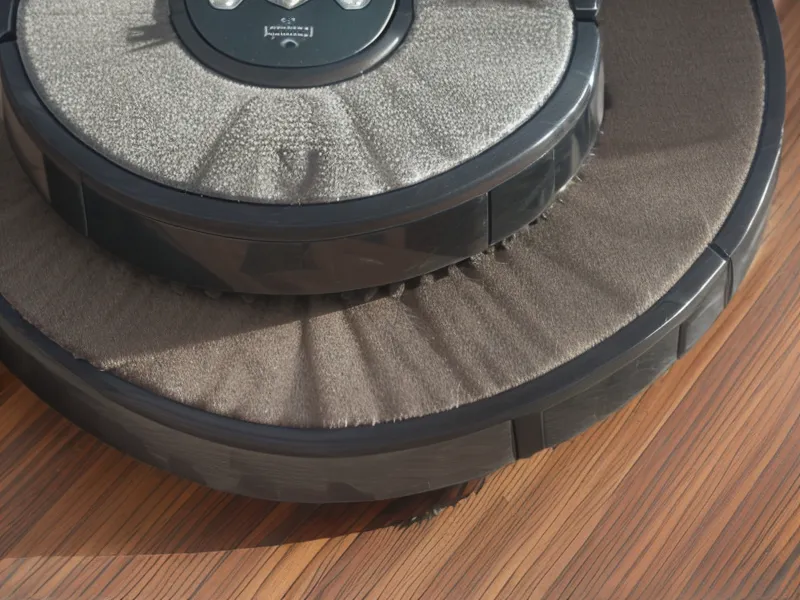
As someone who writes digital user experiences for a living, I usually dread setting up smart home appliances. Most vacuum companion apps feel like an aggressive retail checkout flow: they demand location tracking at all times, beg you to join a social community of floor-cleaning enthusiasts, and hide basic scheduling behind three nested menus. When we tested the iRobot Roomba j7+, the continuous pop-ups pitching proprietary cloud subscriptions felt like being trapped in an airport kiosk.
The LG app setup, by comparison, was surprisingly restrained. It paired over our bungalow's 2.4 GHz network band on the first attempt without demanding that we disable the router's 5 GHz channel or re-enter our Wi-Fi credentials four times. Setting up cleaning zones around Beans's favorite corner bed took roughly two minutes. The map didn't erase itself when the bot bumped a chair leg, and the app didn't spam push notifications about consumables that still had half their lifespan left.
To see how we balance mechanical sweeping with air filtration across our drafty rooms, you can also read my breakdown of the husky glitter tally across vacuums and air purifiers.
Why It Stayed Plugged into Our Baseboard
Seven months in, the LG CordZero is still anchored against our dining room baseboard. It hasn't tumbled down the cellar stairs, it hasn't smeared wet dog dirt across the hallway runner, and it doesn't send Beans running for cover when it triggers its cleaning cycle. The current price changes fairly often depending on seasonal retail promotions, so you will want to check the manufacturer's product page for what it costs right now.
It isn't a magical appliance that eliminates dusting forever. You will still have to clear the brushroll bearings with a blade once a month, and you still need to pull stray dog toys out of the path before sending it out. But for a home with high-shed pets, uneven craftsman floorboards, and animals that need quiet, predictable routines, the LG CordZero Robot earned its place on our floor by simply doing its job without causing unnecessary drama.